
Stored diesel fuel naturally degrades over time, especially in backup generators, fleet systems, and long-term storage tanks. Water intrusion, sludge buildup, microbial growth, and sediment accumulation can reduce fuel performance and increase the risk of equipment problems if left untreated.
FHG Fueling provides professional diesel fuel polishing and fuel maintenance services for commercial and industrial fuel systems throughout DFW. Our team helps businesses remove contaminants, improve fuel reliability, and reduce unnecessary downtime for generators, fleet equipment, and bulk fuel storage tanks.
We also provide diesel fuel testing, comprehensive fuel analysis, fuel additives, and preventive maintenance services to help identify fuel contamination issues early and support cleaner, more dependable fuel systems.
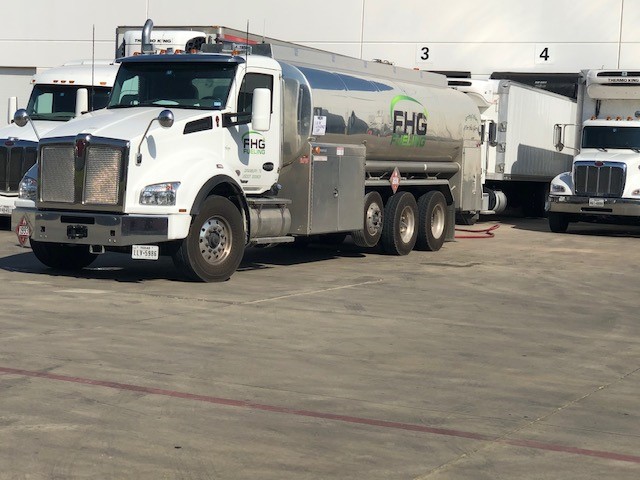
Fuel polishing helps maintain cleaner diesel fuel, improve equipment reliability, and extend the life of stored fuel. Routine maintenance also reduces clogged filters, injector problems, and unexpected equipment failures.
Many businesses throughout Dallas-Fort Worth rely on diesel fuel maintenance for backup generators, fleet operations, construction equipment, and other systems that depend on long-term fuel storage.
Fuel polishing is the process of cleaning and restoring stored diesel fuel by removing contaminants that build up inside fuel tanks over time. Water, sediment, rust particles, sludge, and aging fuel deposits can all reduce fuel quality and create operational issues.
Professional fuel polishing systems circulate diesel through advanced filtration equipment designed to remove contaminants without replacing the entire fuel supply. The process restores fuel quality, improves long-term storage conditions, and supports more reliable equipment performance while following ASTM standards for diesel fuel maintenance.
Fuel polishing services are designed to eliminate several common fuel contaminants, including:
Water intrusion
Sludge buildup
Sediment and debris
Rust particles
Oxidized fuel deposits
Tank sludge and fuel degradation caused by long-term storage
Instead of replacing usable diesel fuel, the fuel polishing process restores existing fuel and improves overall system reliability. These services are commonly used for backup generators, commercial fleets, construction equipment, and bulk storage tanks throughout North Texas.
Diesel fuel that sits unused for extended periods is more likely to experience oxidation, water intrusion, and contamination buildup. Without proper maintenance, these issues can spread through the fuel system and affect equipment performance.
Professional fuel maintenance services help protect critical engine components, improve combustion efficiency, and reduce unnecessary strain on filters and injectors.
For facilities that rely on generators, fleet vehicles, or mission-critical equipment, fuel polishing plays an important role in preventive maintenance planning and long-term fuel management.
Fuel polishing services are commonly used for generators, emergency backup systems, fleet fueling operations, construction equipment, and long-term diesel storage tanks. Routine maintenance programs help reduce the risk of clogged filters, injector problems, contamination, and costly downtime.
Many fuel system issues develop gradually and become more severe over time. Contaminated diesel fuel can reduce efficiency, increase maintenance costs, and eventually lead to equipment failure if left untreated.
Recognizing the warning signs early can help prevent expensive repairs and unexpected downtime.
Changes in fuel performance can also lead to loss of RPM, increased exhaust smoke, corroded fuel injectors, and inconsistent engine operation in diesel-powered equipment.
If your equipment is experiencing any of the following issues, your fuel tank may require professional fuel polishing:
Difficulty starting engines or generators
Clogged fuel filters or injectors
Excessive exhaust smoke
Sludge buildup inside the tank
Water contamination in diesel fuel
Unusual fuel odors or discoloration
Reduced engine performance
Frequent maintenance issues
Emergency generator fuel systems are especially vulnerable to contamination because stored diesel often sits unused for long periods before an outage or emergency event occurs.
As fuel ages, contamination inside the tank can restrict fuel flow, clog filters, and place additional strain on critical engine components.
Routine fuel polishing helps maintain dependable emergency power systems and reduces the risk of unexpected failures during critical operations.
Diesel fuel contamination develops from several different sources, especially when fuel is stored for long periods. Environmental conditions, aging fuel, and poor tank maintenance can all contribute to declining fuel performance over time.
One of the leading causes of contamination is condensation inside the fuel tank. Temperature fluctuations can create moisture buildup, allowing water to collect at the bottom of fuel storage tanks.
In many cases, contaminated fuel may develop floating debris or dark and hazy coloring that signals declining fuel quality and possible fuel degradation.
Contamination often develops when moisture inside the tank allows bacteria and fungi to spread through the fuel system. Over time, this buildup creates sludge that clogs filters and restricts fuel flow.
As diesel fuel ages, it begins to break down and form gums, varnishes, sediment, and tank sludge. This degradation reduces fuel efficiency and increases the likelihood of engine performance issues.
A declining flash point, floating debris, or dark and hazy coloring may also indicate fuel degradation over time.
Older fuel storage systems and poorly maintained fuel tanks are more likely to experience corrosion, sediment buildup, and contamination issues over time.
Businesses that rely on emergency generators or large diesel reserves often use fuel polishing as part of a broader fuel management strategy to reduce long-term maintenance risks.
Other common causes of diesel fuel contamination include:
Dirt entering the tank during refueling
Rust and corrosion inside aging storage systems
Poor tank ventilation
Infrequent fuel turnover
Long-term fuel storage without filtration
Regular fuel system maintenance from FHG Fueling helps remove contaminants before they lead to larger fuel system problems. Preventive maintenance, fuel filtration, diesel fuel testing, and fuel tank cleaning services also help businesses reduce repair costs, protect valuable equipment, and maintain more reliable long-term diesel storage.
Fuel polishing helps prevent many of the problems associated with contaminated diesel fuel. Cleaner fuel supports stronger equipment performance, reduces strain on fuel system components, and lowers the risk of unexpected downtime.
For companies that rely on generators, fleet vehicles, or heavy equipment, preventive fuel maintenance can also help reduce long-term repair costs.
Some of the biggest benefits of fuel polishing include:
Cleaner diesel storage and improved combustion
Fewer clogged filters and injector issues
Reduced downtime and maintenance interruptions
Extended usability of stored diesel fuel
Better reliability for generators and emergency systems
Instead of replacing large amounts of degraded fuel, fuel polishing restores existing diesel and helps keep fuel systems operating efficiently.
Fuel polishing is commonly used across a wide range of industries throughout Dallas-Fort Worth. Any business that stores diesel fuel for extended periods can benefit from routine fuel maintenance.
FHG Fueling provides fuel polishing services for:
Data centers
Healthcare facilities
Municipal backup systems
Commercial fleet operations
Backup generators
Fleet fueling systems
Construction equipment
Above-ground tanks
Underground tanks
Emergency power systems
Agricultural equipment
FHG Fueling also offers regular maintenance programs, on-site fuel polishing, and flexible scheduling for facilities that require recurring service intervals or large-scale fuel storage support. Our diesel fuel polishing services are available for above-ground tanks, underground tanks, and commercial fuel systems throughout DFW. Without proper maintenance, fuel degradation can affect system reliability during emergencies or power outages. Routine maintenance helps businesses protect expensive equipment and reduce the likelihood of operational disruptions across commercial fuel management systems.
Contaminated diesel fuel can shut down generators, damage injectors, clog filters, and create expensive reliability problems across commercial fuel systems. For facilities that depend on backup power or long-term diesel storage, waiting until equipment fails often leads to higher repair costs and unexpected operational disruptions.
FHG Fueling provides diesel fuel polishing, fuel testing, and fuel tank cleaning services for commercial and industrial systems throughout DFW. Our team works with generators, fleet fueling systems, construction equipment, and bulk storage tanks to help restore fuel quality and improve long-term system reliability.
Whether you need preventive maintenance, contamination removal, or on-site fuel polishing, we help keep critical equipment operating safely and efficiently.
Contact FHG Fueling today to schedule service or request diesel fuel testing for your fuel system.
How often should diesel fuel be polished?
The frequency depends on how fuel is stored and used. Many businesses schedule fuel polishing annually or as part of a preventive maintenance program for generators and bulk storage tanks.
What contaminants does fuel polishing remove?
Fuel polishing removes water, sludge, sediment, rust particles, and other contaminants that affect diesel fuel quality and long-term fuel performance.
Is fuel polishing better than replacing diesel fuel?
In many cases, yes. Fuel polishing restores usable diesel fuel without the expense of draining and replacing large fuel supplies.
What causes contamination in diesel fuel?
Contamination often develops when water is present inside the fuel tank. Over time, buildup inside the tank can create sludge and harmful acidic byproducts that affect fuel system performance.
Can fuel polishing help generators?
Yes. Backup generators are one of the most common systems that benefit from fuel polishing because diesel fuel may remain stored for long periods before use.
Can fuel polishing help prevent fuel contamination?
Yes. Routine filtration and polishing services help reduce contamination buildup, improve fuel stability, and support cleaner long-term diesel fuel storage.
What does dark or hazy diesel fuel mean?
Darkened fuel or hazy fuel coloring can indicate oxidation, water intrusion, contamination, or suspended debris inside the fuel tank.
Is on-site fuel polishing available?
Yes. Many businesses choose on-site fuel polishing services so fuel tanks and backup systems can be cleaned without transporting fuel off-site.