
Diesel fuel is often stored for extended periods in tanks that support fleets, construction equipment, and backup generators, but over time, it can degrade due to water, microbial growth, and sediment buildup. When stored fuel sits for long periods of time, it can turn into contaminated diesel fuel that impacts reliability.
Fuel polishing is a process designed to restore and maintain diesel quality by removing these contaminants, helping businesses prevent equipment issues, reduce maintenance problems, and ensure fuel is ready when it is needed.
What Is Fuel Polishing?
Fuel polishing is the process of cleaning and restoring stored diesel fuel by removing water, microbial contamination, and solid particles from a diesel fuel tank. It is sometimes performed using specialized equipment similar to a fuel polisher and supports overall fuel cleaning and tank cleaning efforts. Instead of disposing of degraded fuel, polishing allows businesses to extend the life of their existing fuel supply while maintaining performance standards.
The process typically involves circulating diesel through a series of filters, often including a fine filter, to remove fuel contaminants at multiple filtration stages. This filtration process includes water separation, capturing particulate contamination, and eliminating sludge buildup that forms at the bottom of the tank.
Unlike fuel replacement, which requires draining and disposing of fuel entirely, fuel tank polishing focuses on restoring usable fuel to a clean and stable condition. This makes it a cost-effective way to manage fuel while reducing environmental impact.
Why Diesel Fuel Becomes Contaminated
Diesel fuel contamination is a gradual process that occurs when fuel is stored for extended periods or exposed to environmental conditions. Even in well-maintained diesel tanks or bulk tanks, contaminants can develop over time and compromise fuel cleanliness.
Water Contamination
Water contamination is one of the most common fuel problems. It can enter storage tanks through condensation, temperature changes, or small leaks, often forming a water layer or free water at the bottom of the tank. In some cases, emulsified water can also develop within the fuel, making removal more difficult. Once water is present, it creates a breeding ground for further contamination.
Microbial Growth (Diesel Bugs)
Microbial contamination, often referred to as diesel bugs, occurs when microorganisms grow in the interface between water and fuel. These microbes feed on stored diesel fuel and produce waste that forms sludge and acids. Over time, this buildup of contaminants can lead to filter clogging, clogged filters, and damage to engine components.
Sediment and Particulates
Dust, dirt, and rust particles can enter fuel storage tanks during delivery or through ventilation systems. These contaminants settle at the bottom of the tank and can be drawn into a diesel engine, leading to wear, clogged fuel injectors, and reduced engine performance.
Oxidation and Fuel Degradation
As diesel fuel ages over long periods, it reacts with oxygen and begins to break down into degraded fuel. This process creates gums and varnish-like substances that affect fuel condition and reduce fuel efficiency.
Signs Your Diesel Tank Needs Fuel Polishing
Contaminated diesel fuel often shows clear warning signs before it leads to major equipment failure or costly repairs.
Common signs include:
Poor engine performance or early signs of engine failure
Difficulty starting a diesel engine
Frequent clogged filters or filter clogging
Visible sludge or buildup in the tank
Darkened or discolored fuel
Unexpected equipment failure or downtime
If any of these issues are present, fuel polishing may be necessary to restore fuel quality and protect your fuel supply.
Benefits of Fuel Polishing
Fuel polishing supports consistent fuel supply and ensures your fuel meets operational fuel needs even after long periods of storage.
Extends Fuel Life
Polishing restores stored diesel fuel and helps extend its lifespan without requiring replacement.
Prevents Equipment Failure
Clean fuel reduces the risk of engine failure and protects high-pressure systems and fuel injectors from damage.
Improves Engine Performance
Engines operate more efficiently with clean fuel, improving overall fuel consumption and reliability.
Reduces Maintenance Costs
Cleaner fuel helps reduce maintenance costs and prevents unnecessary wear on engine components.
Ensures Compliance and Reliability
For critical facilities such as data centers, critical facilities, and buildings with backup power systems, maintaining reliable fuel is essential during power outages.
Who Needs Fuel Polishing Services?
Any business that relies on stored diesel fuel can benefit, especially those that require consistent fuel supply for operations.
Common users include:
Construction companies operating heavy equipment
Fleet operators managing trucks and service vehicles
Facility managers responsible for backup generators
Data centers and critical facilities
Operations using diesel generators for backup power
How Fuel Polishing Works
The cleaning process is designed to remove contaminants and restore fuel quality.
Initial inspection and fuel sample testing to assess fuel condition
Circulation of fuel through filtration systems
Water removal, including free water and emulsified water
Removal of sludge, microbial growth, and solid particles
Application of fuel treatment or biocide treatment if needed
Final testing to confirm fuel cleanliness and reliable fuel output
This process ensures the fuel is clean, stable, and ready for use.
Fuel Polishing vs. Fuel Replacement
Fuel polishing is often preferred over replacing fuel because it removes water and contaminants while preserving usable fuel.
It allows businesses to restore existing fuel instead of replacing it with new fuel, which can be costly and disruptive. It is an effective way to handle degraded fuel without unnecessary downtime.
How Often Should Diesel Fuel Be Polished?
The frequency of fuel polishing depends on storage conditions, usage, and how long fuel sits unused.
Fuel stored for long periods of time is more likely to develop contamination issues such as water buildup, microbial growth, and sediment accumulation. Regular polishing is considered a best practice for maintaining fuel quality and avoiding fuel problems before they impact operations.
Preventative Maintenance Tips for Diesel Storage Tanks
Maintaining a clean tank is essential for long-term fuel quality.
Best practices include:
Regular inspection and fuel sample testing
Keeping tanks sealed to prevent water intrusion
Removing water when detected
Using fuel additives or a fuel conditioner when appropriate
Scheduling regular polishing to maintain fuel quality
Why Fuel Polishing Matters for Long-Term Fuel Quality
Understanding what is fuel polishing and why your diesel tank needs it helps businesses take a proactive approach to fuel management.
Fuel polishing plays a critical role in maintaining clean fuel, protecting equipment, and ensuring reliable operation. It helps prevent issues related to dirty fuel, supports long-term storage, and keeps systems running efficiently.
Fuel Polishing Services
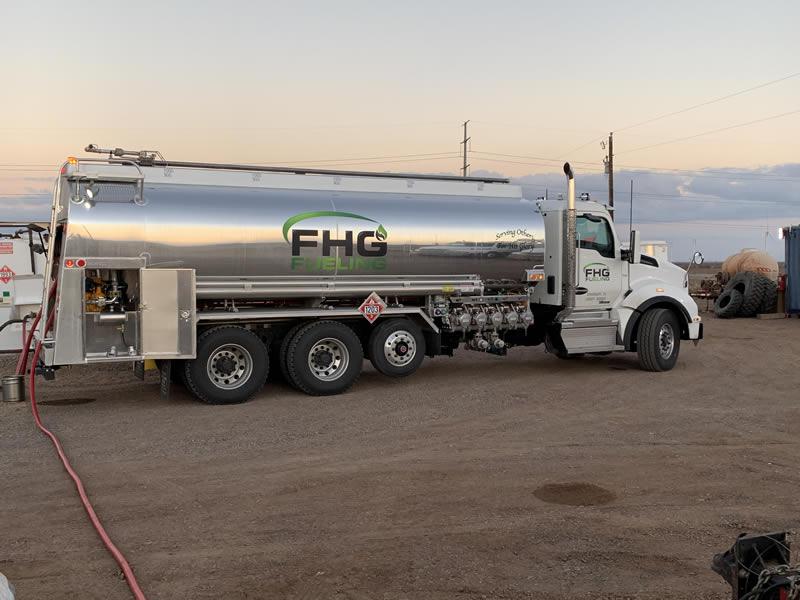
For businesses that need professional support, FHG Fueling provides fuel polishing services designed to restore diesel quality and protect critical equipment. With experience supporting fleets, facilities, and job sites, FHG Fueling helps ensure stored diesel fuel remains clean, stable, and ready for use when it matters most.
Call us today to learn more about fuel polishing services and how we can support your operations.