Fuel is one of the largest operating expenses for any business running a fleet, but fleet fueling costs go well beyond the price at the pump. Hidden expenses like lost driver time, untracked fuel consumption, and unauthorized purchases quietly drain budgets month after month. At FHG Fueling, we help businesses across Texas take control of their fueling operations and reduce those costs over time.
Learn how a managed fleet fueling program can make a measurable difference for your bottom line.
Why Fleet Fueling Saves Your Business More Than You Think
When drivers handle their own fueling stops at retail stations, costs multiply in ways that don’t always show up on a fuel invoice. The pump price gets the attention, but the bigger financial picture includes labor costs, vehicle downtime, fuel consumption inefficiencies, and preventable waste.
A structured fleet fueling program addresses all of it. Whether you’re managing a small fleet or scaling operations across multiple job sites, the right fueling setup eliminates several hidden expenses at once.
Fleet Fueling Cost Efficiency
- Wasted labor time from off-route fueling trips
- Fuel theft and unauthorized purchases
- Vehicle wear from unnecessary mileage
- Administrative time spent reconciling receipts and disputed charges
- Emergency fueling situations that come with premium pricing
- Fuel consumption that goes unmonitored and unmanaged
Over time, addressing even a few of these drains leads to significant fuel savings across your entire operation.
The Real Impact of Driver Productivity Loss
Driver productivity loss is one of the most overlooked expenses in fleet management. When a driver leaves a route to fuel up at a retail station, that’s 20 to 30 minutes of paid time producing nothing for your business. For a fleet of ten vehicles, that could mean 200 to 300 minutes of lost productivity every single day.
Those numbers compound fast. By the end of a month, the labor costs tied to retail fueling stops can rival what you’re spending on fuel itself.
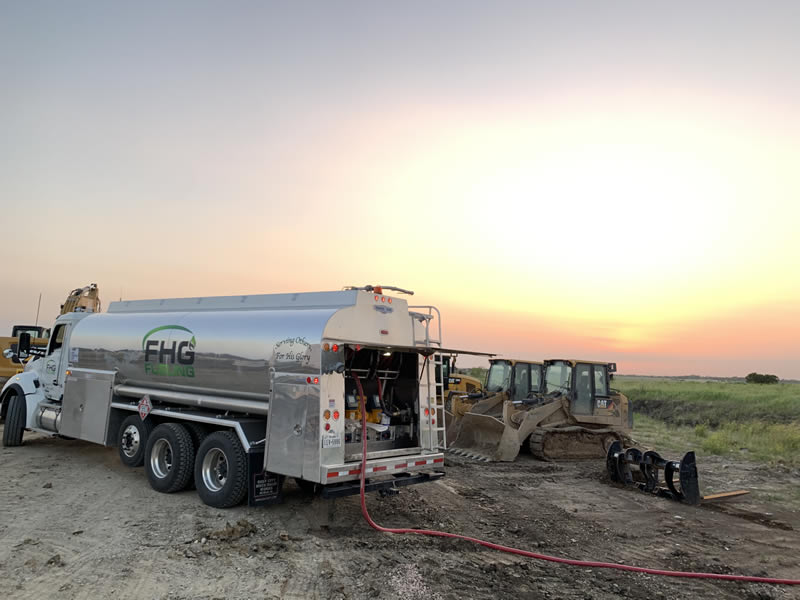
On-site fueling and mobile fueling solve this directly. Fuel comes to your vehicles instead of the other way around. Drivers start their shifts ready to work, fueling happens during off-hours or between shifts, and your revenue-producing hours stay protected.
The extra mileage matters too. Off-route trips to retail stations increase tire wear, accelerate maintenance intervals, and put unnecessary hours on your engines. Fewer fueling trips means lower vehicle operating costs across the board, regardless of fleet size.
Fuel Tracking: Visibility That Pays for Itself
Without a fuel management system in place, fleet managers are essentially operating blind. You may know what you’re spending, but without detailed fuel tracking data, it’s nearly impossible to know where the money is actually going.
That lack of visibility creates real problems:
- Fuel theft: Without controls and monitoring, it’s difficult to verify every gallon purchased went into a company vehicle. Fuel theft often looks small per transaction but compounds significantly across a fleet over time.
- Fuel card fraud: Businesses relying on fleet fuel cards without proper fuel card monitoring leave themselves open to unauthorized purchases, off-product buys, and inflated fuel consumption numbers that distort reporting.
- Fuel efficiency gaps: Without consumption data by vehicle, route, or driver, inefficiencies go undetected and unaddressed for months.
FHG Fueling’s tracking and reporting tools give fleet managers real-time visibility into fuel consumption by vehicle, location, and timeframe. That data makes it easier to catch discrepancies early, identify vehicles burning more fuel than expected, reduce back-office reconciliation time, and make smarter decisions across your entire fleet management operation. Fuel tracking turns fueling from a blind expense into a measurable, manageable system.
Bulk Fuel Delivery and Lower Per-Gallon Costs
For fleets with consistent, predictable fuel demand, bulk fuel delivery is one of the most straightforward ways to reduce per-gallon costs. Purchasing in volume typically comes in below retail pricing, and when that fuel is stored on-site through properly managed fuel storage systems, you eliminate the disruption and premium pricing that come with emergency fueling.
The key is inventory management. When fuel levels are monitored in real time and deliveries are scheduled in advance, your fleet never gets grounded because supply ran out. FHG Fueling’s logistics platform does exactly that, tracking your fuel inventory so you stay ahead of demand before it becomes an operational problem.
Bulk fuel delivery also reduces the number of vendor touchpoints your team has to manage. Instead of coordinating across multiple fuel card companies or retail accounts, your fueling program runs through a single, reliable provider.
Diesel Exhaust Fluid: One More Variable to Control
For fleets running diesel vehicles, diesel exhaust fluid is a compliance requirement, not optional. DEF shortages can take vehicles out of service just as quickly as running out of primary fuel, and managing it through a separate vendor adds unnecessary complexity to your operations.
Bundling DEF delivery into your fleet fueling program with FHG Fueling simplifies logistics, reduces the risk of running short, and keeps your diesel fleet running without interruption.
Driver Training and Fueling Policies: Small Changes, Real Impact
Technology and delivery logistics do most of the heavy lifting in a managed fueling program, but driver behavior still plays a role in overall fuel efficiency. Consistent driver training around idling habits, route discipline, and proper vehicle operation can meaningfully reduce fuel consumption over time.
When driver training is paired with a fuel management system that tracks consumption by driver and vehicle, fleet managers can identify where coaching is needed and measure improvement over time. That combination of accountability and data is what separates high-performing fleets from ones that are constantly chasing fuel costs.
The Compounding Effect of Managed Fleet Fueling
The fuel savings from a managed fleet fueling program don’t show up all at once. They build steadily, transaction by transaction, shift by shift, month by month.
Each day your drivers aren’t making fuel stops is recovered labor. Each delivery tracked through your fuel management system is data working in your favor. Each scheduled bulk delivery that replaces an emergency fueling situation keeps money in your operating budget. Each gallon accounted for through fuel tracking is one that can’t be lost to theft or waste.
Businesses that make the switch from retail fueling to a managed program consistently find that savings appear across multiple line items: labor costs, vehicle maintenance, fuel consumption, administrative overhead, and operational efficiency. The longer the program runs, the clearer the picture becomes.
Partner With FHG Fueling to Reduce Your Fleet Operating Costs
FHG Fueling is a full-service, woman-owned fuel and oil logistics company serving businesses across Dallas, Fort Worth, and throughout Texas. From mobile fueling and on-site fueling to bulk fuel delivery, DEF delivery, and fuel storage systems, we build fueling programs around how your fleet actually operates.
If you’re ready to find out how much your business could save, contact FHG Fueling today for a quote.